
Veterans
The Final Salute: Honoring Military Service with Dignity
Let's start with a conversation.
Free, no obligation. In person or over the phone.
Refer a patient.
Same-day admissions when the patient and family are ready.
Intake email
intake@cairohospice.comFor a time-sensitive referral, please call. The intake line is open 24/7.
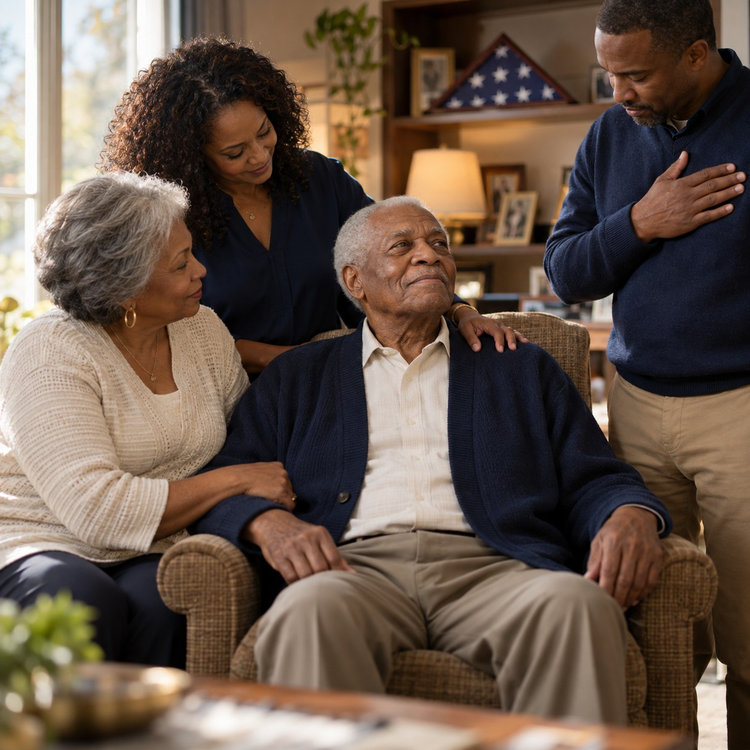
For many, military service is not just a chapter in life—it is a core part of their identity. The values, discipline, and camaraderie shape who they are long after they hang up their uniform. As a veteran approaches the end of life, this identity often comes into sharper focus, bringing with it memories of pride, sacrifice, and profound connection. Recognizing and honoring this service is not just a gesture of respect; it is a fundamental part of providing compassionate, dignified hospice care.
Every veteran has a unique story that deserves to be heard and honored. Simple acts of recognition can validate a lifetime of service, offering peace to the veteran and creating a powerful, healing memory for their family. This article explores why these honors are so vital and how veteran-focused hospice care can help a veteran receive a final, heartfelt salute.
Why Acknowledging Service Matters at the End of Life
The transition to end-of-life care can be a time of deep reflection. For veterans, memories of their time in service—both positive and difficult—may resurface. Acknowledging their military background is a way of seeing them for who they are and validating an essential piece of their life story. Many veterans receive end-of-life care from community hospices, so these hospices play an important role in providing care that understands and respects military culture.
This specialized care goes beyond managing physical symptoms. It involves a deep awareness of veteran-specific needs, such as PTSD, moral injury, or health issues tied to different service eras, from World War II to the Gulf Wars. A culturally centered approach helps care providers offer support that is both clinically sound and emotionally aware.
A National Standard of Honor: The “We Honor Veterans” Program
To ensure veterans receive the recognition they deserve, leading organizations have developed structured programs to guide hospices. The most prominent of these is We Honor Veterans, a program of the National Alliance for Care at Home (formerly the National Hospice and Palliative Care Organization). It gives hospice providers education and resources to offer veteran-centric care and formal recognition.
Through this program, partner hospices commit to improving care for veterans through respectful inquiry, compassionate listening, and grateful acknowledgment. A cornerstone of the program is the recognition ceremony, where a veteran is thanked for their service, often with the presentation of a pin and a certificate. These ceremonies are powerful, therapeutic rituals that provide closure and affirm the veteran’s legacy.
A Bond of Service: The Unique Impact of Veteran Volunteers
No one understands a veteran like another veteran. Recognizing this, many hospice programs facilitate veteran-to-veteran volunteer programs, which have a profound impact on end-of-life care. These volunteers share a common language, a mutual respect, and an unspoken understanding of the military experience. This shared bond helps break down barriers, build trust, and encourage veterans to share their stories.
According to We Honor Veterans, veteran volunteers are uniquely able to support veteran patients and create space for life review and healing. A volunteer who served in the same branch or era can connect with a patient on a level that others cannot, helping them process memories and find peace. It is a final act of service—one veteran ensuring another is not forgotten.
Creating Meaningful Final Moments for Families
A veteran honor ceremony is a deeply moving experience not only for the patient but for their entire family. It provides a formal opportunity for children, grandchildren, and loved ones to witness the respect their loved one earned through their sacrifice. These moments become cherished final memories, shifting the focus from illness to a legacy of courage and honor.
By capturing these events through photos or preserving certificates, families can create lasting tributes. For younger generations, it offers a tangible connection to their family history and a deeper understanding of the sacrifices made for their freedom. It’s a moment of healing that reinforces pride and helps families navigate their grief with a sense of peace and gratitude.
Caring for those who have served our country is a sacred trust. Honoring their service with dignity is more than just a duty; it is an expression of profound gratitude that reaffirms our promise to never forget. Through thoughtful ceremonies and compassionate, veteran-centric care, we can offer a peaceful and honorable final chapter.
For veterans and military families seeking hospice care that honors service and understands military culture, call Cairo Hospice at +1 (614) 910-2662. As a veteran-owned hospice, we understand what recognition of service means to veterans and their families. You can also download our Complete Guide to Hospice Care for comprehensive information about services and support available to you and your family.
Key Takeaways
- Military service is a core part of a veteran’s identity, and honoring it at the end of life provides validation, dignity, and closure.
- National programs like “We Honor Veterans” provide a framework for hospices to deliver specialized, culturally competent care through recognition ceremonies and staff training.
- Veteran-to-veteran volunteers create a unique bond of trust and understanding, helping patients process their experiences and feel connected.
Questions about hospice for someone you love?
Our team is here 24 hours a day. Talk it through with us, with no obligation.