
Veterans
The Veteran’s Guide to Choosing Hospice
Let's start with a conversation.
Free, no obligation. In person or over the phone.
Refer a patient.
Same-day admissions when the patient and family are ready.
Intake email
intake@cairohospice.comFor a time-sensitive referral, please call. The intake line is open 24/7.
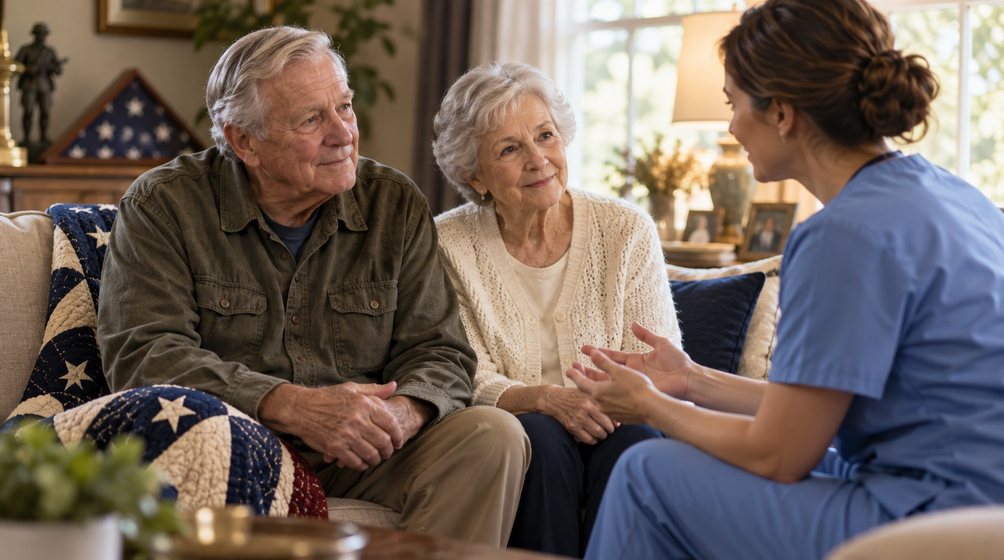
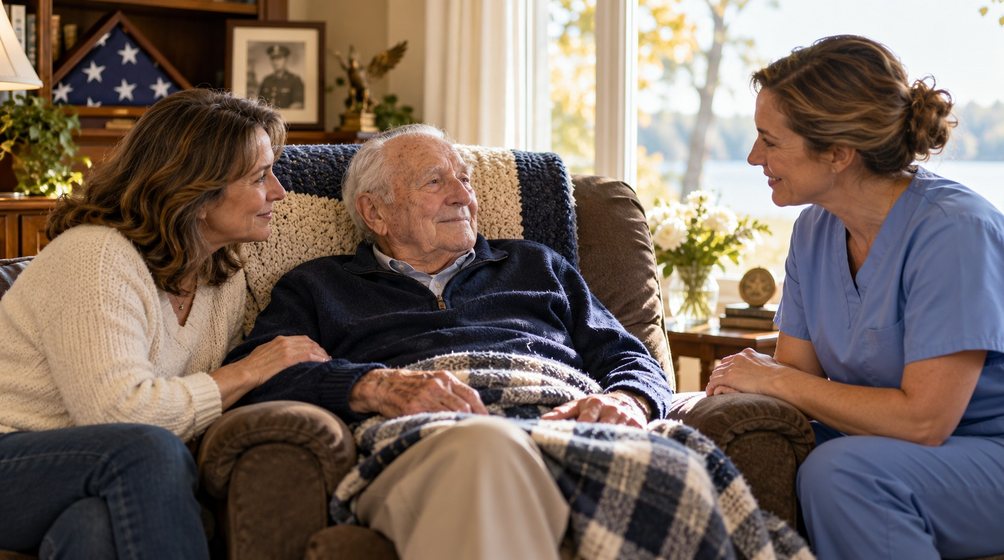
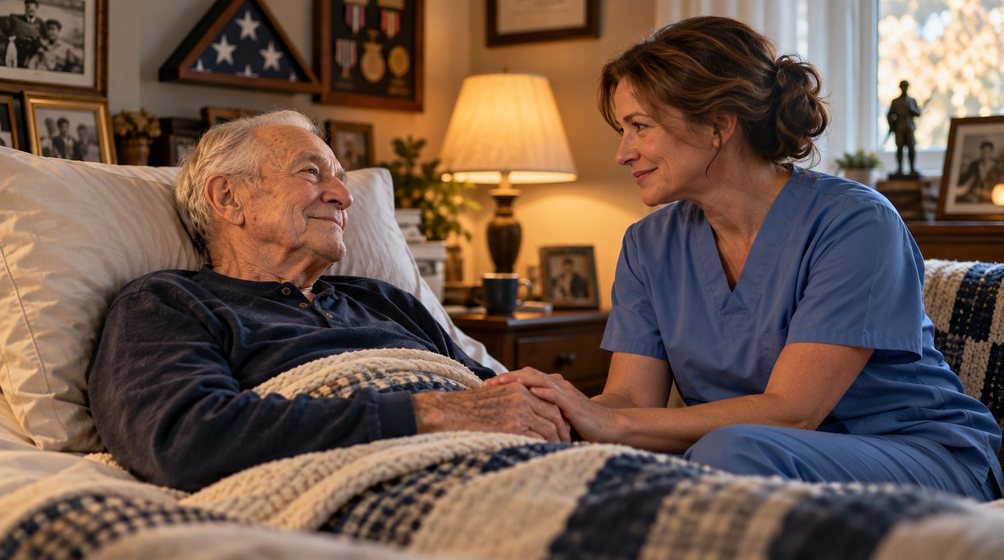
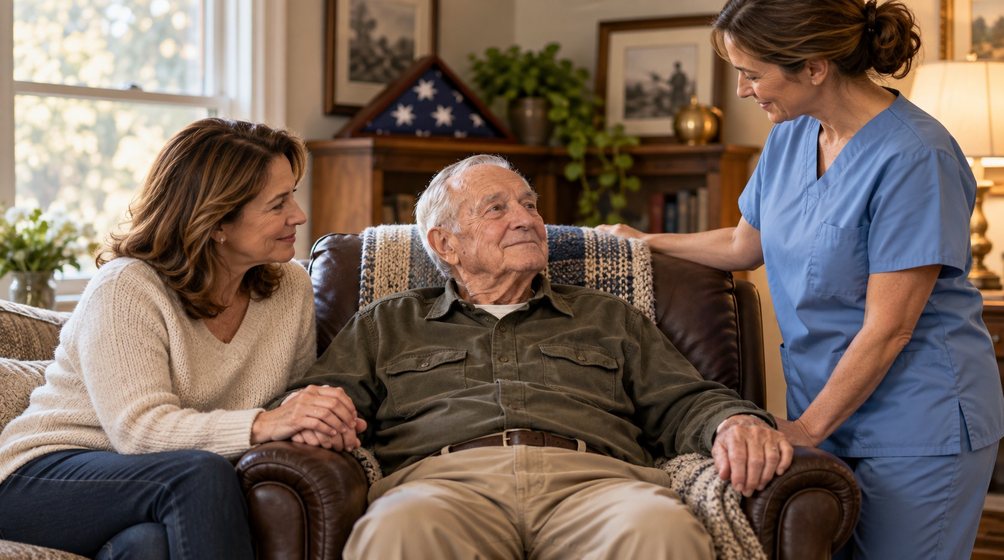
For those who have served our country, the transition to end-of-life care is a profound journey that deserves the utmost respect, dignity, and understanding. The experiences of a veteran are unique, and their care should be too. Choosing hospice is not just about medical support; it’s about finding a compassionate partner who honors a legacy of service.
Making this decision can feel overwhelming, but you are not alone. This guide is dedicated to helping veterans and their loved ones find support that recognizes their sacrifice and provides comfort when it matters most. We will walk you through understanding VA benefits, identifying veteran-centric hospice programs, and knowing the right questions to ask.
Understanding Hospice and VA Benefits
Hospice is a philosophy of care focused on comfort, dignity, and quality of life for individuals with a life-limiting illness. Rather than focusing on a cure, the goal is to manage symptoms and provide emotional, spiritual, and practical support for both the patient and their family.
For many veterans, a primary concern is how to cover the cost of this essential care. The good news is that the U.S. Department of Veterans Affairs (VA) includes hospice as part of its standard medical benefits package for enrolled veterans. If you meet the clinical need for hospice, the VA says there are no copays for hospice care, whether the VA provides it or a hospice under contract with the VA does. Understanding the specifics of VA benefits and eligibility requirements is a critical first step in your planning process.
What to Look for in a Veteran-Centric Hospice Program
While all hospices provide core services like medical treatment and emotional support, some go the extra mile to serve those who have served. A truly veteran-centric program is built on a deep understanding of military culture and the unique challenges veterans may face at the end of life.
One of the most important things to look for is a hospice with staff who have received specialized training. Some hospices take a full military history from veteran patients to better understand their experiences and needs. This knowledge helps caregivers connect with veterans on a deeper level, acknowledging how their service may influence their physical and emotional well-being.
Meaningful recognition is another hallmark of a great program. This can include simple, dignified gestures like pinning ceremonies or presenting a certificate of appreciation. The best programs make these moments deeply personal. They also foster community, sometimes creating opportunities for veteran patients to connect with one another and share their stories.
Finally, look for providers who are active partners in programs like We Honor Veterans, a national initiative that recognizes hospices for their commitment to improving care for veterans. Taking part shows a commitment to learning how to care for veterans well.
Key Questions to Ask a Hospice Provider
When you begin speaking with potential hospice providers, asking the right questions can help you find the perfect fit for you and your family. This is not just about logistics; it’s about finding a team you can trust during a deeply personal time.
Consider asking the following:
- Does your staff receive specialized training on the unique needs of veterans? This can include understanding PTSD, the effects of combat exposure, and other service-related conditions.
- How do you recognize and honor a veteran’s military service? Ask for specific examples of how they celebrate the legacy of their veteran patients.
- Do you have veteran volunteers or staff members available for peer-to-peer support? For many veterans, connecting with someone who shares a common background can be incredibly comforting.
- Are your clinical staff, including physicians and nurses, certified in hospice and palliative care? Certification shows added training in managing symptoms and providing comfort.
- What kind of bereavement support do you offer for military families? A veteran’s passing can bring up complex emotions for their loved ones. Ensure the hospice provides tailored grief support for the entire family.
For veterans and military families seeking hospice that honors service and understands military culture, our team at Cairo Hospice is here to help. Cairo Hospice is veteran owned, and we understand what service means to you and your family. To learn more about how we care for veterans, call us at (614) 910-2662.
You can also download our Complete Guide to Hospice Care for comprehensive information about the services and support available.
Choosing a hospice provider is a deeply personal decision. For a veteran, it is about entrusting your final chapter to a team that sees the person behind the patient—their history, their service, and their legacy. The right hospice partner will walk beside you and your family, ensuring every moment is met with comfort, dignity, and profound respect.
Key Takeaways
- The Department of Veterans Affairs (VA) provides a hospice benefit, making it essential to understand your eligibility and coverage options.
- Look for a hospice provider with a veteran-centric program, including staff trained in military culture and participation in initiatives like We Honor Veterans.
- Ask specific questions about how a hospice honors service, involves veteran volunteers, and supports military families through their bereavement process.
Questions about hospice for someone you love?
Our team is here 24 hours a day. Talk it through with us, with no obligation.