
By Condition
When Breathing Becomes Difficult: Hospice Support for End-Stage Respiratory Disease
Let's start with a conversation.
Free, no obligation. In person or over the phone.
Refer a patient.
Same-day admissions when the patient and family are ready.
Intake email
intake@cairohospice.comFor a time-sensitive referral, please call. The intake line is open 24/7.

For anyone living with an advanced respiratory disease like COPD, pulmonary fibrosis, or lung cancer, the fear of not being able to catch your breath is profound. This sensation, known as dyspnea or “air hunger,” is one of the most distressing symptoms a person can experience. It affects not only the patient but also the family members who watch, often feeling helpless.
When curative treatments are no longer effective, the focus must shift to ensuring comfort, dignity, and the best possible quality of life. This is where hospice care provides specialized, compassionate support, managing symptoms directly in the patient’s home and helping families navigate the challenges of end-stage respiratory decline.
This article explores how hospice helps manage breathlessness, addresses the anxiety that comes with it, and offers a calmer, more supportive alternative to frequent emergency room visits.
Understanding and Managing Air Hunger
In end-stage respiratory disease, the lungs can no longer efficiently exchange oxygen and carbon dioxide, leading to a constant feeling of breathlessness. The goal of hospice care is not to cure the underlying disease but to aggressively manage this primary symptom to provide relief and peace.
The hospice team uses a multi-faceted approach that combines medical and non-medical interventions. The American Thoracic Society’s clinical practice guideline for COPD suggests opioid-based therapy for people with advanced COPD whose breathlessness continues despite other treatment. Used at low doses under careful supervision, medicines like morphine can ease the sensation of air hunger and help the patient breathe more comfortably. The hospice team watches for and manages side effects such as constipation or drowsiness.
Alongside medication, non-pharmacological techniques are crucial for daily comfort. Hospice nurses and therapists teach patients and families simple yet powerful methods to manage dyspnea. A systematic review published in Palliative Medicine found that airflow, such as a small handheld fan directed at the face, can relieve breathlessness in people with advanced disease. Other helpful strategies include pursed-lip breathing, energy conservation techniques, and proper positioning to open up the airways.
Breaking the Vicious Cycle of Breathlessness and Anxiety
The physical sensation of not being able to breathe is terrifying and almost always triggers anxiety. This anxiety causes muscles to tense and breathing to become more rapid and shallow, which in turn worsens the dyspnea. This creates what researchers call the dyspnea-anxiety-dyspnea cycle.
A specialized hospice team understands this powerful connection and works to address both symptoms simultaneously. In addition to opioids for breathlessness, anti-anxiety medications (anxiolytics) may be used to calm the patient’s mind and relax their body. Equally important is the emotional and spiritual support provided. Hospice counselors, social workers, and chaplains equip both the patient and their family with coping mechanisms, mindfulness techniques, and the reassurance needed to manage moments of panic.
Empowering Families to Provide Confident Care
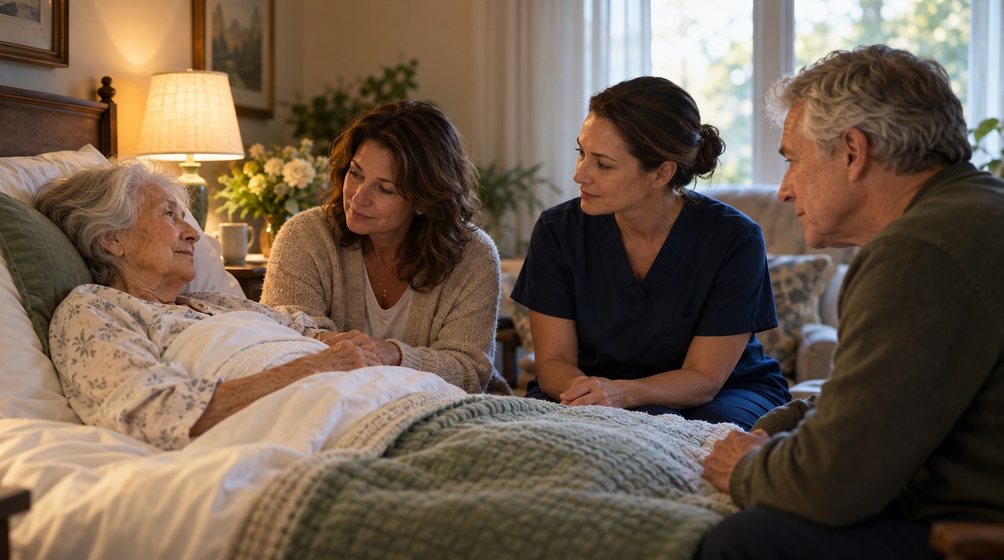
Watching a loved one struggle to breathe can cause immense distress for family caregivers. The natural instinct is often to panic and call 911, leading to a stressful and disruptive emergency room visit. Hospice care changes this dynamic by empowering the family with education, resources, and 24/7 on-call support.
The hospice nurse creates a detailed care plan and an emergency kit for the home, containing medications needed to manage a sudden symptom crisis. Families are taught how to recognize signs of increasing distress, when and how to administer medications, and how to use calming techniques. Knowing they can call their hospice nurse anytime—day or night—for guidance provides invaluable peace of mind and confidence to handle the situation at home.
A Calmer, Safer Alternative to the Emergency Room
For patients with end-stage respiratory failure, frequent hospitalizations can become a burdensome cycle that diminishes their quality of life. Proactive, in-home management of respiratory symptoms by a hospice team can help many patients avoid unwanted trips to the emergency room.
By focusing on comfort and symptom control, hospice honors the patient’s wish to remain in a familiar, peaceful environment. Lung specialists increasingly recognize the role of palliative care in COPD. Its goal is to improve the quality of the time that remains. Hospice ensures that a patient’s final months are defined by connection and peace, not by the noise and chaos of a hospital.
For families navigating the challenges of end-stage respiratory disease, knowing that expert help is just a phone call away can provide immense relief. To learn how Cairo Hospice can manage symptoms like breathlessness at home, call our compassionate team at +1 (614) 910-2662.
You can also download our Complete Guide to Hospice Care for comprehensive information about creating a plan for comfort and dignity.
Key Takeaways
- Carefully dosed opioids can ease the sensation of breathlessness (dyspnea) in end-stage respiratory disease and are suggested for advanced COPD with ongoing breathlessness.
- Non-medical techniques, such as using a handheld fan, pursed-lip breathing, and managing anxiety, are critical components of a comprehensive comfort plan.
- Hospice provides proactive, in-home care with 24/7 support, which can help avoid stressful emergency room visits and allows patients to remain in a comfortable, familiar setting.
Questions about hospice for someone you love?
Our team is here 24 hours a day. Talk it through with us, with no obligation.