
Hospice Careers
Volunteering That Matters: How Hospice Volunteers Bring Light
Let's start with a conversation.
Free, no obligation. In person or over the phone.
Refer a patient.
Same-day admissions when the patient and family are ready.
Intake email
intake@cairohospice.comFor a time-sensitive referral, please call. The intake line is open 24/7.
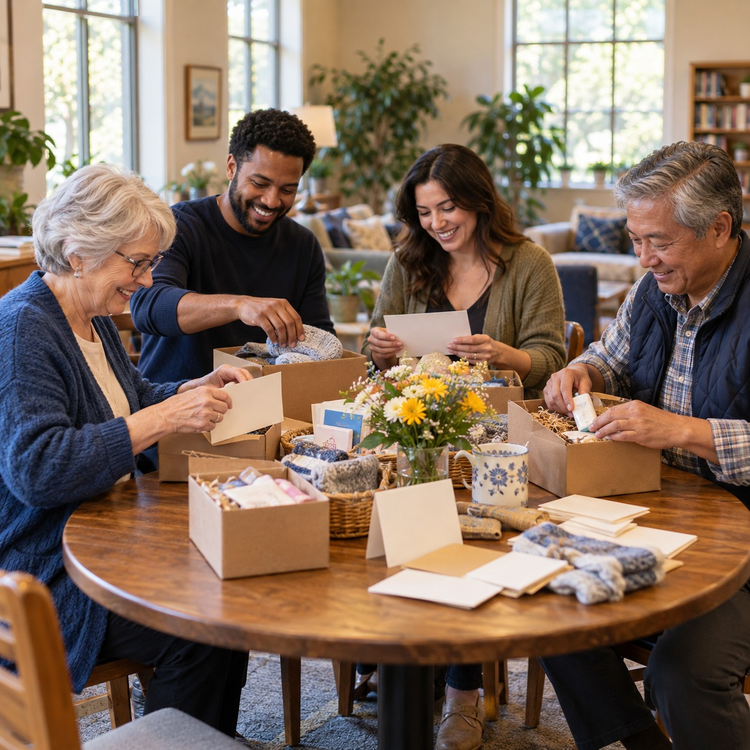
In the quiet moments at the end of life, the greatest gift is often simple human connection. For patients and families navigating the complexities of a terminal illness, the presence of a hospice volunteer can be a profound source of comfort, support, and light. These dedicated individuals are more than just helpers; they are companions, listeners, and an essential part of the compassionate team that defines hospice.
Hospice volunteers step in to offer their time and hearts, providing support that is both practical and emotional. They prove that even in life’s most challenging chapter, there is still room for joy, meaning, and connection. This article explores the vital roles hospice volunteers play, the incredible impact they have, and how you can become a part of this meaningful work.
The Many Faces of Hospice Volunteering
The role of a hospice volunteer is not one-size-fits-all. It is a diverse field tailored to the needs of patients and the unique skills and interests of the volunteer. In fact, volunteers are so integral to the hospice philosophy that the Medicare Conditions of Participation mandate that volunteer hours must equal at least 5% of all patient care hours, underscoring their essential place on the care team.
Common volunteer roles include:
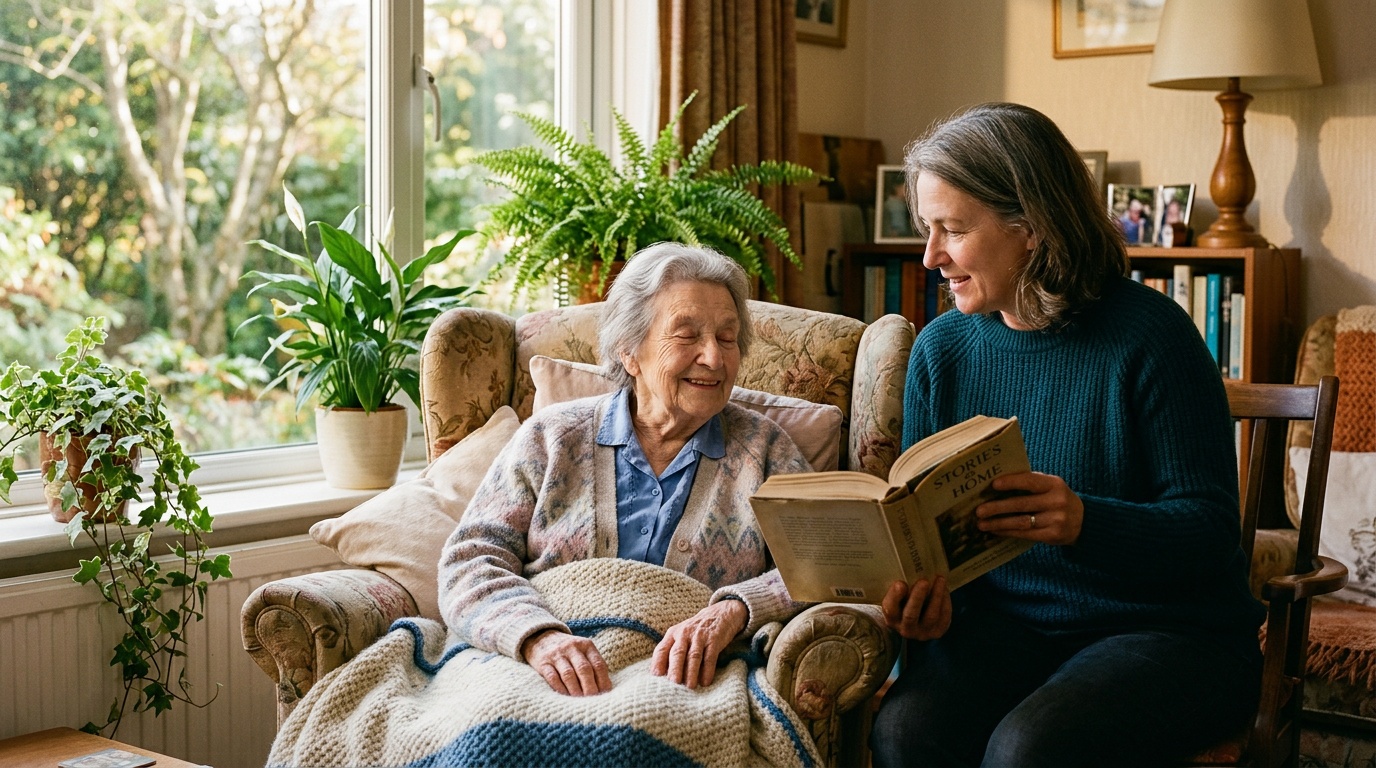
- Companionship: The heart of hospice volunteering is often simple presence. Volunteers spend quiet time with patients—reading aloud, listening to music, sharing stories, or simply sitting in comfortable silence. This companionship helps alleviate loneliness and provides a vital social connection.
- Respite for Caregivers: Family caregivers carry an immense physical and emotional load. Volunteers provide crucial respite care by staying with a patient for a few hours, allowing the caregiver to run errands, attend an appointment, or simply rest and recharge. A short break like this can ease a caregiver’s stress.
- Practical Support: Sometimes, the biggest help comes in the form of small tasks. Volunteers may assist with light housekeeping, preparing a simple meal, or running errands like picking up groceries or prescriptions.
- Legacy Projects: Helping a patient reflect on their life is a powerful gift. Volunteers can assist with creating memory books, recording life stories, or organizing photos. These legacy projects honor the patient’s life and become treasured keepsakes for their family.
Specialized Volunteers: Honoring Unique Lives
Beyond traditional roles, many hospices are expanding their programs to include volunteers with specific skills and backgrounds, creating even more personalized care experiences.
Veteran-to-Veteran Program
A shining example of specialized support is the Veteran-to-Veteran volunteer program. Through efforts like the We Honor Veterans program, some hospices pair veteran volunteers with patients who also served in the military. This shared background creates an immediate bond of trust and understanding. Veteran volunteers can relate to the unique experiences and challenges of military life, offering a level of camaraderie that no one else can.
Bringing Special Talents to Care
Hospices are increasingly welcoming volunteers with unique talents. This can include:
- Musicians who play gentle, therapeutic music at the bedside.
- Certified pet therapy teams that bring trained animals for comforting visits.
- Licensed massage therapists who offer gentle touch to ease discomfort.
- Artists who can guide patients in creative expression.
As the Hospice Foundation of America notes, these specialized services enrich the patient’s experience and address their holistic needs—mind, body, and spirit.
Becoming a Hospice Volunteer: What to Expect
Making the decision to volunteer in hospice is a significant one, but you are never alone in the journey. Hospices provide comprehensive training to prepare volunteers for the role, covering topics like patient privacy, listening skills, understanding the dying process, and maintaining healthy boundaries. Ongoing support, including regular check-ins and debriefing sessions, ensures volunteers feel confident and cared for.
The time commitment is often flexible to fit modern schedules. While some volunteers visit patients weekly, others may help with occasional projects or administrative tasks.
A great hospice volunteer is someone with a compassionate heart, a non-judgmental ear, and a reliable nature. It isn’t about having all the answers; it’s about being present and willing to share a moment of your time.
The rewards are immeasurable. Volunteers often speak of gaining a new perspective on life, forming profound human connections, and feeling a deep sense of purpose. It is a role that gives back as much as it asks, reminding us that every moment truly matters.
If you have been moved by the role volunteers play and want to learn more about the compassionate support Cairo Hospice provides, our team is here to answer your questions. For information about care options, please call us at (614) 910-2662. To ask about volunteering, visit our volunteer page.
For a deeper look into our philosophy of care, you can also download our Complete Guide to Hospice Care.
Key Takeaways
- Hospice volunteers are a federally required and essential part of the care team, providing emotional, social, and practical support.
- Volunteer roles are diverse, from companionship and caregiver relief to specialized roles some hospices offer, such as veteran-to-veteran visits.
- Volunteering in hospice offers profound personal rewards, flexible commitments, and the opportunity to make a meaningful difference in someone’s final chapter.
Questions about hospice for someone you love?
Our team is here 24 hours a day. Talk it through with us, with no obligation.