
Hospice Careers
Transitioning from Hospital Nursing to Hospice: What You Need to Know
Let's start with a conversation.
Free, no obligation. In person or over the phone.
Refer a patient.
Same-day admissions when the patient and family are ready.
Intake email
intake@cairohospice.comFor a time-sensitive referral, please call. The intake line is open 24/7.
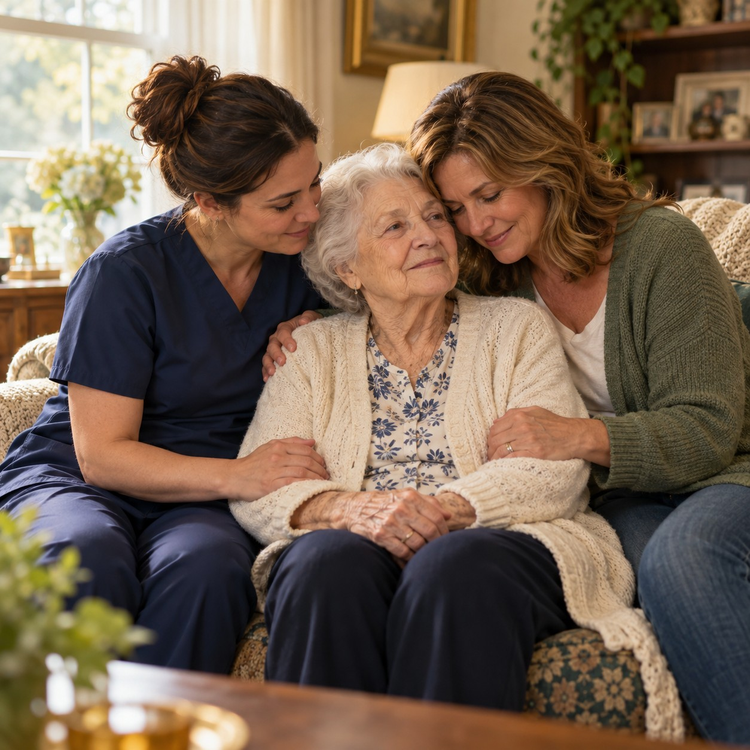
For many dedicated hospital nurses, the daily demands of acute care can be both challenging and incredibly rewarding. Yet, a growing number are finding themselves drawn to a different path: hospice nursing. This transition often represents a profound shift in focus, moving from curative treatments to providing comfort, dignity, and holistic support during life’s final chapter. It’s a move that allows nurses to leverage their expertise in a deeply meaningful way, often leading to renewed purpose and professional fulfillment.
If you’re a hospital nurse considering this change, you likely have questions about how your skills translate, what the day-to-day looks like, and what support systems are in place. This guide will explore the unique aspects of hospice nursing, addressing common concerns and highlighting why this field can be a deeply satisfying career move.
Translating Acute-Care Skills to Home-Based Hospice
Your years in the hospital have equipped you with an invaluable skill set. Strong assessment capabilities, critical thinking, meticulous medication management, and efficient wound care are all directly transferable to hospice care. However, the application of these skills shifts dramatically. In hospice, the focus is not on extending life at all costs, but on enhancing its quality, managing symptoms, and ensuring comfort for patients and their families. This requires a philosophical adjustment, moving from a fix-it mentality to one of compassionate presence and support.
Hospice nurses utilize their clinical expertise to manage complex symptomologies—pain, nausea, shortness of breath—with the goal of maximizing comfort. This pivot often reduces the moral distress many nurses experience in acute care when administering aggressive treatments that may not align with a patient’s wishes or best interests. You’ll find yourself emphasizing communication, emotional intelligence, and holistic support for the entire family unit, not just the patient.
Enhanced Autonomy and Deeper Patient Relationships
One of the most significant differences many nurses experience in hospice, especially in home care settings, is a substantial increase in autonomy. Hospice nurses are often the primary clinical point of contact in a patient’s home, empowered to make critical decisions about symptom management and care plans in collaboration with the interdisciplinary team. This level of independence, while initially daunting for some, can become a real source of professional satisfaction.
Beyond autonomy, hospice care fosters the development of deeper, more meaningful relationships with patients and their families. Unlike the rapid turnover of acute care, hospice often allows for extended periods of interaction, enabling nurses to truly understand patients’ histories, preferences, and emotional needs. Many hospice nurses say these lasting connections are a big part of why they enjoy their work, compared with the shorter patient encounters common in hospitals.
The First 90 Days: Orientation, Mentorship, and Safety
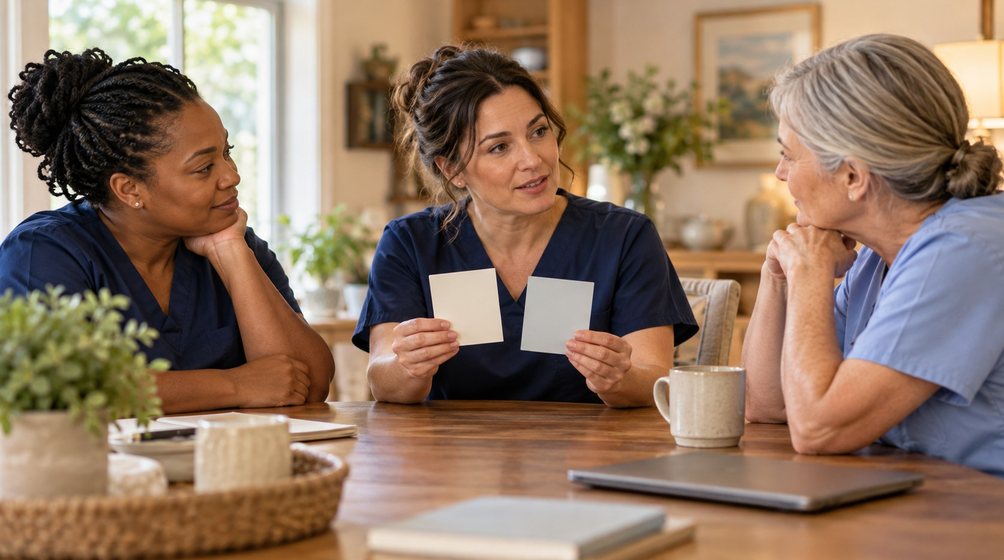
The move from hospital to home-based care takes specialized training, so good hospice organizations offer structured onboarding. Your first few months are a period of learning and adjustment. Onboarding often includes field preceptorship, where you shadow an experienced hospice nurse, along with mentorship and education on hospice regulations, documentation, and grief support.
During this crucial period, you’ll learn essential safety protocols for home visits, how to navigate diverse home environments, and effective communication strategies for sensitive situations. Managing on-call responsibilities, another common concern for new hospice nurses, is also thoroughly covered, ensuring you feel prepared and supported when responding to patient needs outside of regular hours.
Addressing Common Concerns: Driving, Autonomy, and On-Call
It’s natural to have questions about the practical aspects of hospice nursing. Driving to multiple patient homes daily is a common concern, but many organizations provide mileage reimbursement. The increased autonomy can feel like a steep learning curve at first, but robust organizational support, clear communication protocols, and ongoing access to experienced mentors are designed to empower you, not overwhelm you. On-call duties are a reality in hospice, but schedules are carefully managed, and comprehensive training ensures you are equipped to handle calls effectively.
Compensation Structure and Typical Benefits
As the population ages, demand for skilled hospice nurses keeps growing. Pay and benefits vary by employer and region, but packages commonly include salary, health and dental benefits, and paid time off (PTO). Some employers also offer sign-on bonuses, mileage reimbursement, or technology for documentation in the field. Ask each employer about professional development and support for new hospice nurses.
Why Burned-Out Hospital Nurses Often Thrive in Hospice
For many nurses experiencing burnout in high-stress acute care settings, hospice care offers a powerful antidote. The shift away from environments focused on rapid turnover and high-acuity crises to a model centered on quality of life and patient advocacy can significantly reduce stress and moral injury. Hospice allows nurses to slow down, connect deeply, and provide care that truly aligns with their professional values. This often leads to improved job satisfaction, a renewed sense of purpose, and a better work-life balance, even with on-call responsibilities.
If you’re seeking a nursing career where every moment matters, where you can make a profound difference in patients’ and families’ lives, and where your compassionate heart is as valued as your clinical expertise, then transitioning to hospice nursing might be the fulfilling path you’ve been searching for.
To learn more about hospice nursing opportunities and how you can bring your compassionate skills to a field where they are deeply cherished, reach out to us at +1 (614) 910-2662. You can also visit our Careers page to explore current openings and learn more about our commitment to supporting our nursing team.
Key Takeaways
- Hospital nursing skills are highly transferable to hospice, though with a philosophical shift from curative to comfort care.
- Hospice nursing offers increased autonomy and opportunities for deeper, more meaningful patient and family relationships.
- Structured orientation, with preceptorship and mentorship, helps new hospice nurses build confidence in the first few months.
Questions about hospice for someone you love?
Our team is here 24 hours a day. Talk it through with us, with no obligation.