
Hospice Basics
The Hospice Home Visit: What to Expect and How to Prepare
Let's start with a conversation.
Free, no obligation. In person or over the phone.
Refer a patient.
Same-day admissions when the patient and family are ready.
Intake email
intake@cairohospice.comFor a time-sensitive referral, please call. The intake line is open 24/7.

Embarking on the hospice journey can feel overwhelming, especially when you’re facing a significant health transition for yourself or a loved one. The first hospice home visit is a pivotal step, often filled with anticipation and questions. It’s a moment designed to bring comfort, clarity, and a personalized plan of care right to your doorstep.
This initial meeting isn’t just an introduction; it’s the start of an assessment process where our compassionate team begins to understand your unique needs and preferences. Our goal is to demystify this process, helping you feel prepared and empowered as you welcome hospice care into your home and life.
Who Will Come to Your Home?
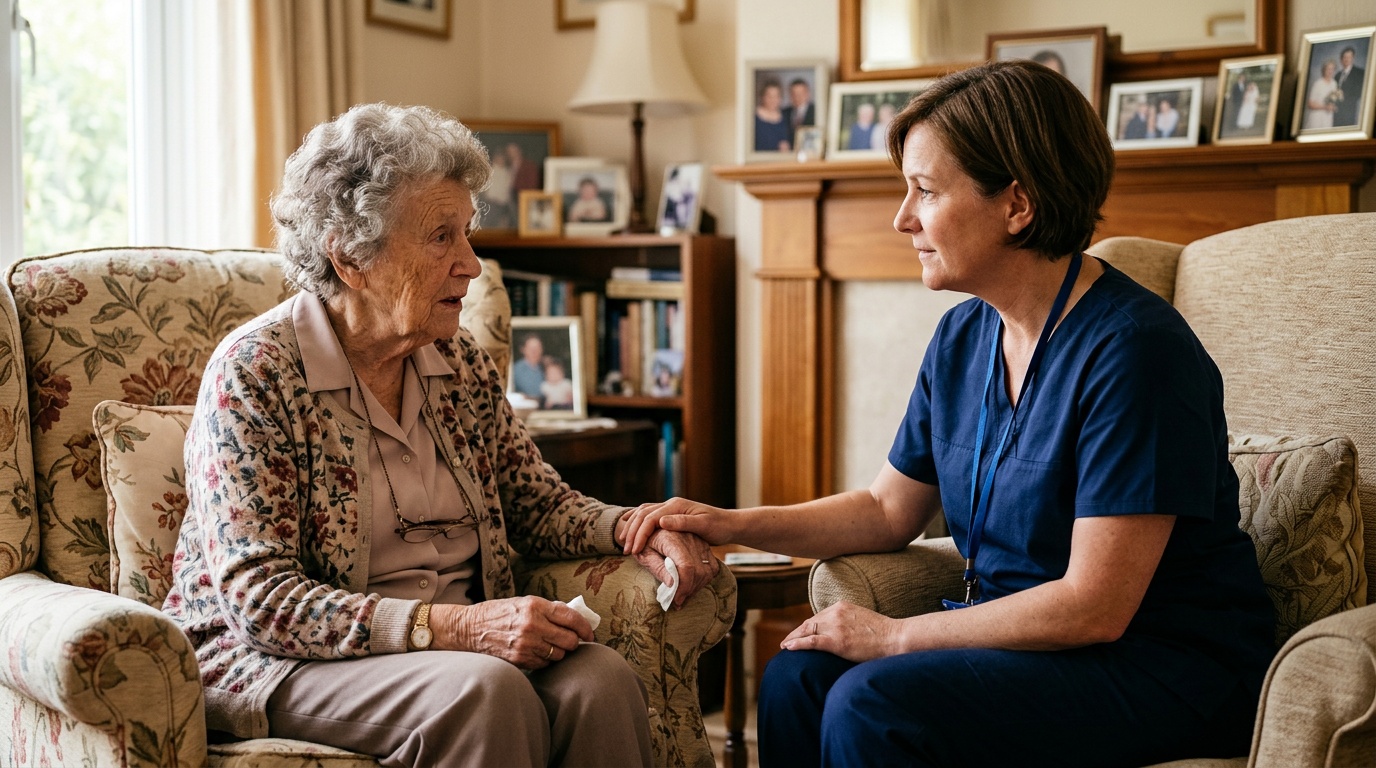
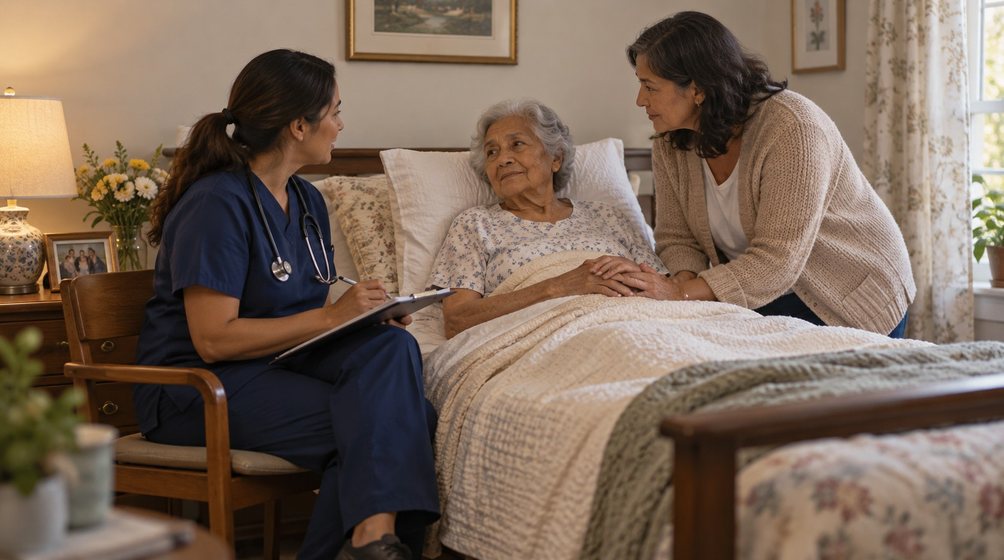
The initial hospice home visit is typically led by a highly skilled Registered Nurse (RN). This nurse serves as your primary contact during the admission process, conducting a thorough assessment and laying the groundwork for your care plan. While the nurse often performs the main assessment, this visit also introduces the broader interdisciplinary group (IDG) that will support you.
Soon after, or even during the first visit, you can expect to hear from or meet other essential members of your care team. This includes a medical social worker who offers emotional support and resource guidance, a spiritual care coordinator (chaplain) who provides comfort for spiritual needs, and a hospice aide who assists with personal care. This team approach is central to hospice, so that every part of a person’s well-being is addressed.
What Happens During the Initial Assessment?
The first hospice home visit is a comprehensive and structured assessment, guided by specific regulations like Medicare’s Conditions of Participation (CoPs). This ensures a high standard of care and a thorough understanding of the patient’s situation. The Registered Nurse will conduct an in-depth evaluation that covers physical, psychosocial, emotional, and spiritual needs to establish the initial plan of care, as mandated by the Centers for Medicare & Medicaid Services (CMS).
This initial assessment is about more than just medical facts; it’s about understanding the individual. The team will engage in a collaborative shared decision-making process, making sure that the care plan is deeply aligned with what is most important to the patient and their family.
Questions the Team Will Ask
A crucial part of the initial visit is understanding the patient’s and family’s goals for care. The hospice team will ask questions designed to uncover what a good day looks like for the patient, what brings them comfort, and how they wish to spend their time. They will also discuss and review any existing advance directives, such as a living will or healthcare power of attorney. The National Institute on Aging explains how advance directives help make sure care follows a person’s wishes.
These discussions help the hospice team tailor their approach, focusing on enhancing quality of life, managing symptoms, and providing care that truly honors the patient’s preferences. It’s an opportunity for you to voice your hopes and concerns, ensuring your values are at the heart of the care plan.
Medical History and Medication Review
During the visit, the hospice nurse will conduct a thorough review of the patient’s medical history. This includes understanding their diagnosis, past treatments, and current health status. A critical component is the medication reconciliation, where every medication, supplement, and over-the-counter remedy the patient is currently taking will be reviewed. The nurse will identify medications that are no longer beneficial in the context of comfort-focused hospice care and recommend those needed to manage pain and other symptoms effectively.
This detailed review ensures that medications are streamlined to prioritize comfort and quality of life, reducing unnecessary pills and potential side effects.
Home Safety Assessment and Equipment Discussion
To ensure a safe and comfortable environment, the hospice nurse will also perform a home safety evaluation. This involves identifying any potential fall risks, assessing the accessibility of the home, and determining if any medical equipment is needed to support the patient’s comfort and care. This might include items such as a hospital bed, oxygen concentrator, commode, or other assistive devices. The team will arrange delivery and setup of any needed medical equipment, easing the burden on families.
The aim is to make the patient’s home as supportive and safe as possible, allowing them to remain in a familiar environment while receiving expert care.
How to Prepare Your Home and Family
While the hospice team guides the process, a little preparation can make the initial visit smoother and more productive. Having certain documents readily available can help the team focus more on the patient’s immediate needs and family questions. This includes:
- The patient’s identification (e.g., driver’s license, state ID)
- Medicare or other insurance cards
- A complete and up-to-date list of all current medications, including dosages and frequency
- A list of any known allergies
- Copies of any advance directives, such as a living will, power of attorney for healthcare, or Physician Orders for Life-Sustaining Treatment (POLST) form
- Contact information for the patient’s primary physician and any specialists
Creating a quiet and comfortable space for the visit can also be beneficial, allowing for open and uninterrupted conversation. Having a designated family member or caregiver present who can answer questions and participate in discussions is also very helpful.
Typical Visit Schedule and Ongoing Support
After these first assessments, the hospice team develops an individualized care plan that dictates the frequency and type of visits. There isn’t a one-size-fits-all schedule; visits are tailored to the patient’s evolving needs, comfort levels, and family support. As the patient’s condition changes, so too will the frequency and focus of the visits. This ongoing dialogue ensures that care remains responsive and centered on the patient’s current needs, reflecting the dynamic nature of hospice support.
Hospice care extends beyond scheduled visits. Patients and families have access to 24/7 on-call support for urgent needs or questions, providing peace of mind knowing that help is always available. The hospice team is a constant presence, offering continuous support and guidance throughout the journey.
Privacy and Dignity Considerations
At Cairo Hospice, upholding the patient’s privacy and dignity is paramount throughout every aspect of care, especially during home visits. Our team approaches each individual with the utmost respect, ensuring that personal space and choices are honored. Discussions about sensitive topics are conducted discreetly and with profound empathy, always prioritizing the patient’s comfort and autonomy. We understand that inviting care into your home requires trust, and we are committed to earning and maintaining that trust by delivering compassionate, respectful care that cherishes every person’s inherent worth.
What Questions Should Families Ask?
The first hospice visit is also an opportunity for families to ask any questions they may have. Don’t hesitate to voice your concerns or clarify any uncertainties. Here are some questions you might consider asking:
- How often can we expect visits from the nurse, aide, social worker, or chaplain?
- What services are covered by hospice care?
- What do we do in case of an emergency after hours?
- How quickly can medical equipment or medications be delivered if needed?
- Who should we call with questions or concerns?
- Can you help us understand the patient’s prognosis better?
- What kind of support is available for family caregivers?
- How will you communicate with our family doctor?
Open communication is vital to a successful hospice experience. Our team is dedicated to providing clear answers and ongoing support to ensure you feel informed and comforted every step of the way.
The initial hospice home visit is the beginning of a supportive partnership. By understanding what to expect and preparing accordingly, you can ensure a smooth transition into care that prioritizes comfort, dignity, and quality of life for your loved one.
If you or your family are exploring hospice care options and wish to schedule your first visit or have questions, the Cairo Hospice team is here to help with comfort, care, and understanding. Please don’t hesitate to call us at (614) 910-2662. You can also download our Complete Guide to Hospice Care for comprehensive information about our services and support.
Key Takeaways
- At the first visit, a registered nurse completes an initial assessment. The full team then completes a comprehensive assessment within the first few days to build the care plan.
- Preparation, including gathering medical documents and advance directives, can significantly streamline the admission process and allow the team to focus on the patient.
- Hospice care offers continuous support through an interdisciplinary team, individualized visit schedules, and 24/7 on-call availability, all centered on upholding the patient’s dignity and comfort.
Questions about hospice for someone you love?
Our team is here 24 hours a day. Talk it through with us, with no obligation.