
Provider Resources
The Compassionate Role of a Hospice Care Volunteer
Let's start with a conversation.
Free, no obligation. In person or over the phone.
Refer a patient.
Same-day admissions when the patient and family are ready.
Intake email
intake@cairohospice.comFor a time-sensitive referral, please call. The intake line is open 24/7.
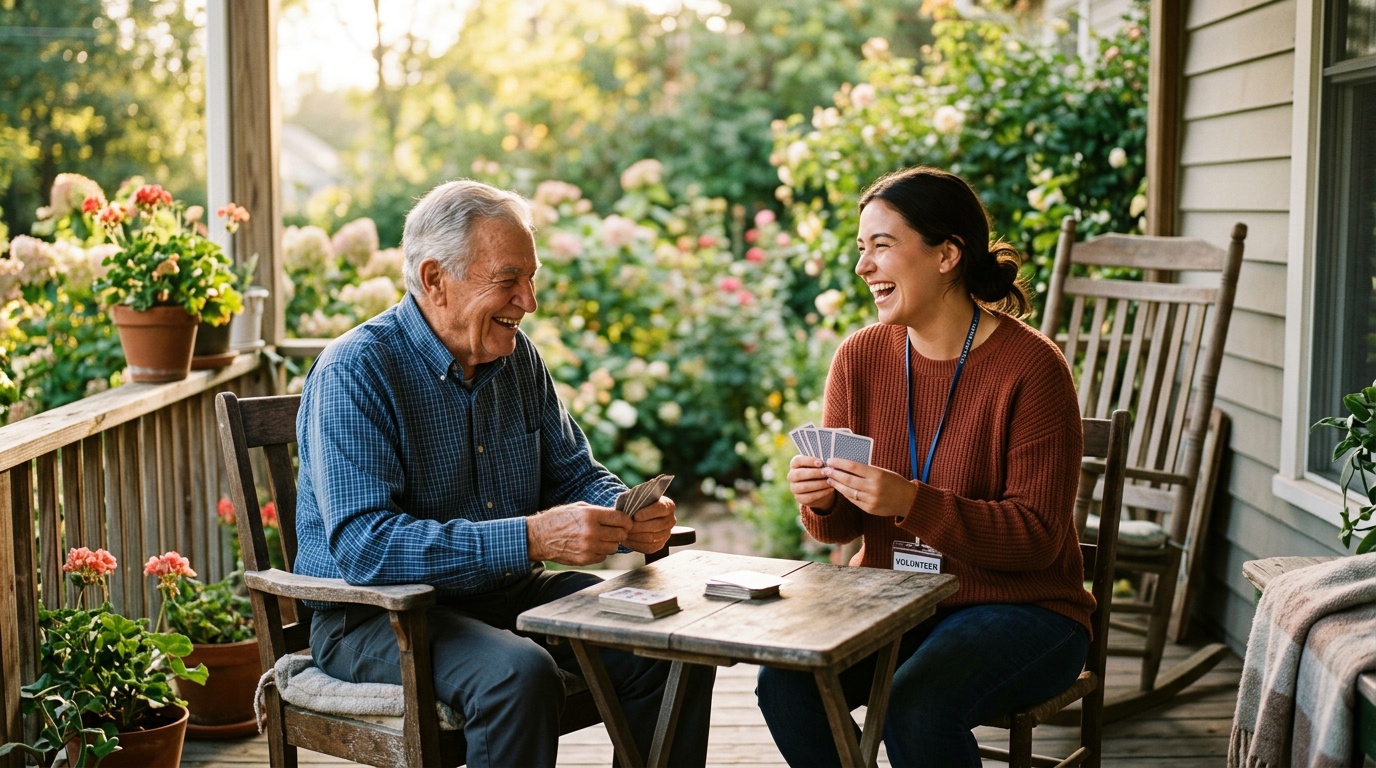
In the world of hospice care, the medical team—nurses, aides, and physicians—provides essential clinical support. Yet, there is another group of individuals whose contribution is just as profound, though often quieter. These are hospice care volunteers, the heart and soul of a compassionate care philosophy, who offer something no prescription can: the simple, healing power of human presence.
Many families wonder what a hospice volunteer actually does. Their role is non-medical, focusing entirely on comfort, companionship, and support for both the patient and their loved ones. They are a crucial part of the care team, filling a space that medicine cannot reach. This article explores the gentle, meaningful, and varied work these dedicated individuals perform.
The Gift of Presence: Companionship and Connection
At its core, the role of a hospice volunteer is about connection. For patients who may feel isolated by their illness, a volunteer’s visit can be a bright spot in the day. This companionship takes many forms, tailored to the patient’s needs and abilities. It might involve simply sitting and talking, sharing stories, or offering a quiet, reassuring presence when words are not needed.
Volunteers often engage in simple, comforting activities like reading a book or newspaper aloud, playing a favorite card game, or listening to music together. They can help a patient write letters or document their life story, creating a precious legacy for their family. This unhurried time spent together helps reduce loneliness and affirms the patient’s dignity and value as a person, not just a diagnosis.
Practical Help: Easing the Burden for Families
Beyond emotional support, hospice volunteers provide invaluable practical assistance that eases the immense pressure on family caregivers. Caregiving is an exhausting role, and volunteers can step in to provide a much-needed break, allowing a spouse or family member to rest, run errands, or simply have a few hours to themselves, knowing their loved one is in safe, caring company.
These tasks can be as simple as making a cup of tea, tidying up a room, or running to the grocery store for a few items. This support, while seemingly small, can make a world of difference. It helps maintain a sense of normalcy and order in the home, lightening the load for families navigating a difficult time.
Special Talents and Comforting Skills
Many volunteers bring their unique skills and passions to their role, enriching the lives of patients in special ways. Someone who plays the guitar might offer a private concert at the bedside. A volunteer skilled in massage or hairdressing could provide gentle, comforting touch. Others might help with legacy projects, such as compiling a photo album or creating a memory box.
These specialized contributions are a beautiful part of the hospice care team, demonstrating that support goes far beyond the physical. It’s about nurturing the whole person—body, mind, and spirit—and finding moments of joy and peace wherever possible.
Understanding the Boundaries: A Non-Clinical Role
It is important to understand that patient-care volunteers usually aren’t part of the clinical team. They generally don’t give medications, provide personal care like bathing, or handle medical equipment. Their role is non-medical, which keeps a clear boundary between their supportive tasks and the clinical duties of the nursing team. This distinction allows them to focus entirely on providing emotional and practical support, which is a vital service in itself.
This dedicated focus on human connection is what makes their role so powerful. They “show up” in a way that is different from the medical team, offering a friendship and presence that can transform a patient’s experience and provide immense relief to families.
The work of a hospice care volunteer is a testament to the power of compassion. They are ordinary people who give their time and heart to bring comfort, dignity, and a sense of connection to patients and families during one of life’s most vulnerable chapters. Their presence is a quiet but powerful reminder that no one has to walk this path alone. If you are exploring hospice for a loved one and have questions about the kind of support available, our team is here to help. You can reach us at (614) 910-2662 or learn more by exploring our comprehensive Hospice Care Guide.
Every act of kindness, no matter how small, helps fulfill the promise of hospice: to ensure that every moment matters.
Key Takeaways
- Hospice volunteers provide non-medical support, focusing on companionship, emotional presence, and comfort for patients and their families.
- Their duties can include offering conversation, reading aloud, playing music, or simply being a reassuring presence.
- Volunteers also provide practical help, such as running errands or offering temporary relief for caregivers, allowing them to rest.
Questions about hospice for someone you love?
Our team is here 24 hours a day. Talk it through with us, with no obligation.