
Grief Support
Spiritual Signs Death Is Near: A Compassionate Guide
Let's start with a conversation.
Free, no obligation. In person or over the phone.
Refer a patient.
Same-day admissions when the patient and family are ready.
Intake email
intake@cairohospice.comFor a time-sensitive referral, please call. The intake line is open 24/7.

The feeling that death is near can be deeply unsettling, whether you are experiencing it yourself or witnessing it in a loved one. It’s a profound, often quiet intuition that transcends physical symptoms. While it’s easy to dismiss these feelings as anxiety, many cultures and spiritual traditions believe they are a meaningful part of the dying process—a preparation of the spirit for its next journey.
If you or a loved one has a sudden feeling of dread with chest pain, trouble breathing or other new symptoms, call 911 or your hospice nurse right away. If your loved one seems scared, agitated or in pain, tell the hospice nurse, since some of these feelings have physical causes that can be eased.
End of life is more than a physical event; it is a sacred and spiritual transition. For centuries, families, caregivers, and hospice professionals have observed common experiences that suggest the human spirit knows when it’s preparing to leave the body. Understanding these signs can help transform fear into acceptance and provide a language for the profound, gentle changes taking place.
This article offers a compassionate exploration of these spiritual signs. We will discuss common end-of-life experiences, how to distinguish them from fear, and how to offer comfort and validation during this deeply personal time.
Visions of a Different Place: Seeing Beyond the Veil
One of the most powerful and frequently reported spiritual signs is when a person speaks of seeing or sensing another reality. They might talk about seeing a beautiful, peaceful place, or describe deceased loved ones as if they are right there in the room. These are often called “deathbed visions,” and they can be incredibly serene and reassuring for the person experiencing them.
Hospice nurses and caregivers often report that patients may say things like, “My mother is waiting for me,” or “It’s so beautiful over there.” Rather than a hallucination, many see this as the spirit beginning to perceive what lies beyond. Families often describe these visions as involving loved ones who seem to have come to accompany the person. These moments can bring immense comfort, suggesting that the journey ahead is not one of loneliness, but of reunion.
A Time of Transition: The Spirit’s Preparation
Many spiritual beliefs hold that as death approaches, the spirit begins to detach from its earthly life and attachments. This isn’t a sad or negative process, but rather a natural and necessary one. It can manifest in several ways: a withdrawal from worldly affairs, a desire to resolve old conflicts, or a sudden need to express love and say goodbye.
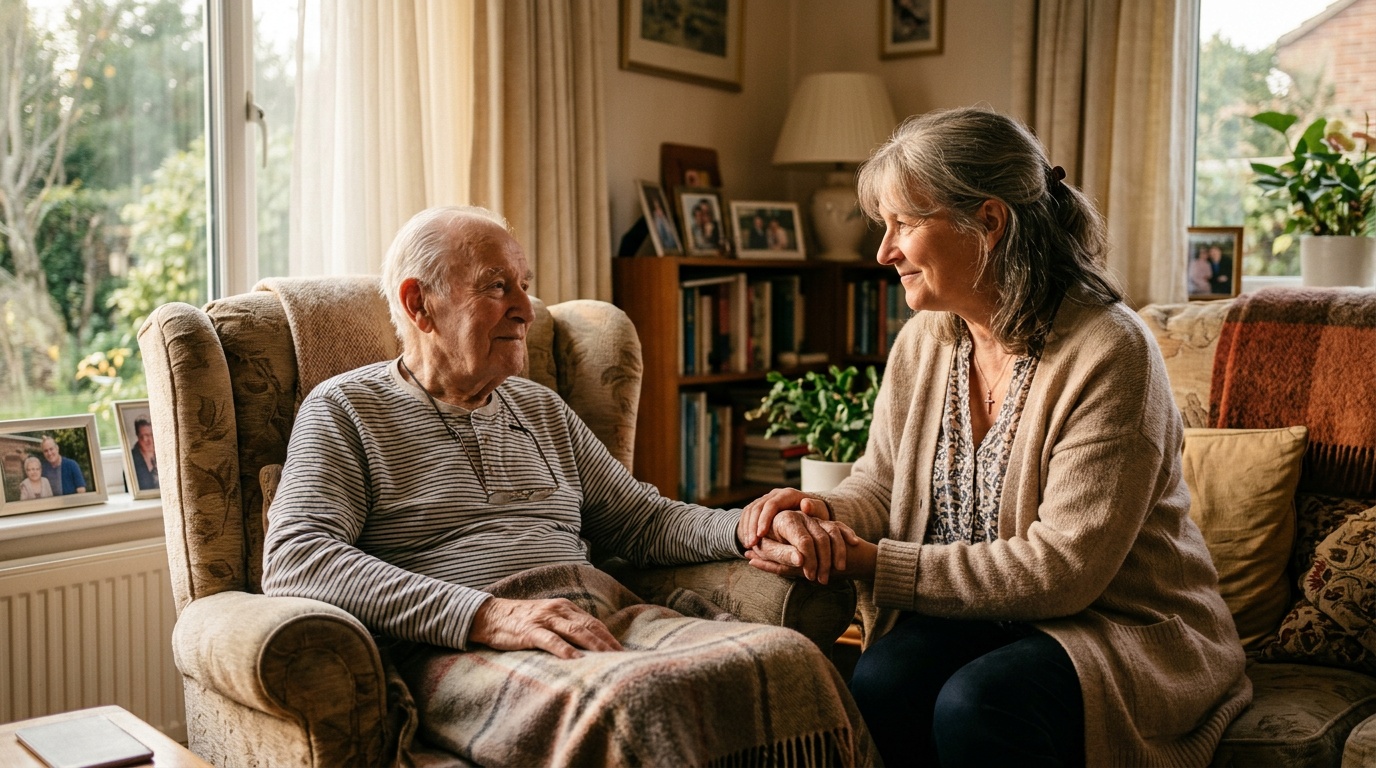
This period is often marked by deep introspection. The person may seem distant or less engaged with their immediate surroundings, but they are often doing important internal work. Many see this process of release as a way for the spirit to prepare for transition. It’s a time for life review, forgiveness, and finding peace with the life they have lived. Understanding this can help families provide a quiet, supportive presence without pressure or expectation.
Anxiety vs. Intuition: Understanding the Feeling
It’s crucial to acknowledge that fear and anxiety can also create a feeling of impending doom. So, how can one tell the difference between a spiritual premonition and emotional distress? While there is no simple answer, spiritual readiness often comes with a sense of calm, curiosity, or acceptance, whereas anxiety is typically accompanied by panic, fear, and restlessness.
Some people experience a sense of impending transition as a kind of spiritual awakening or transformation. It is less about a frightening end and more about a significant change. If you or a loved one are experiencing these feelings, exploring them with a gentle curiosity can be helpful. Discussing them with a hospice chaplain or spiritual care coordinator can provide immense comfort and clarity, helping to navigate these complex emotions.
Embracing the Journey with Support
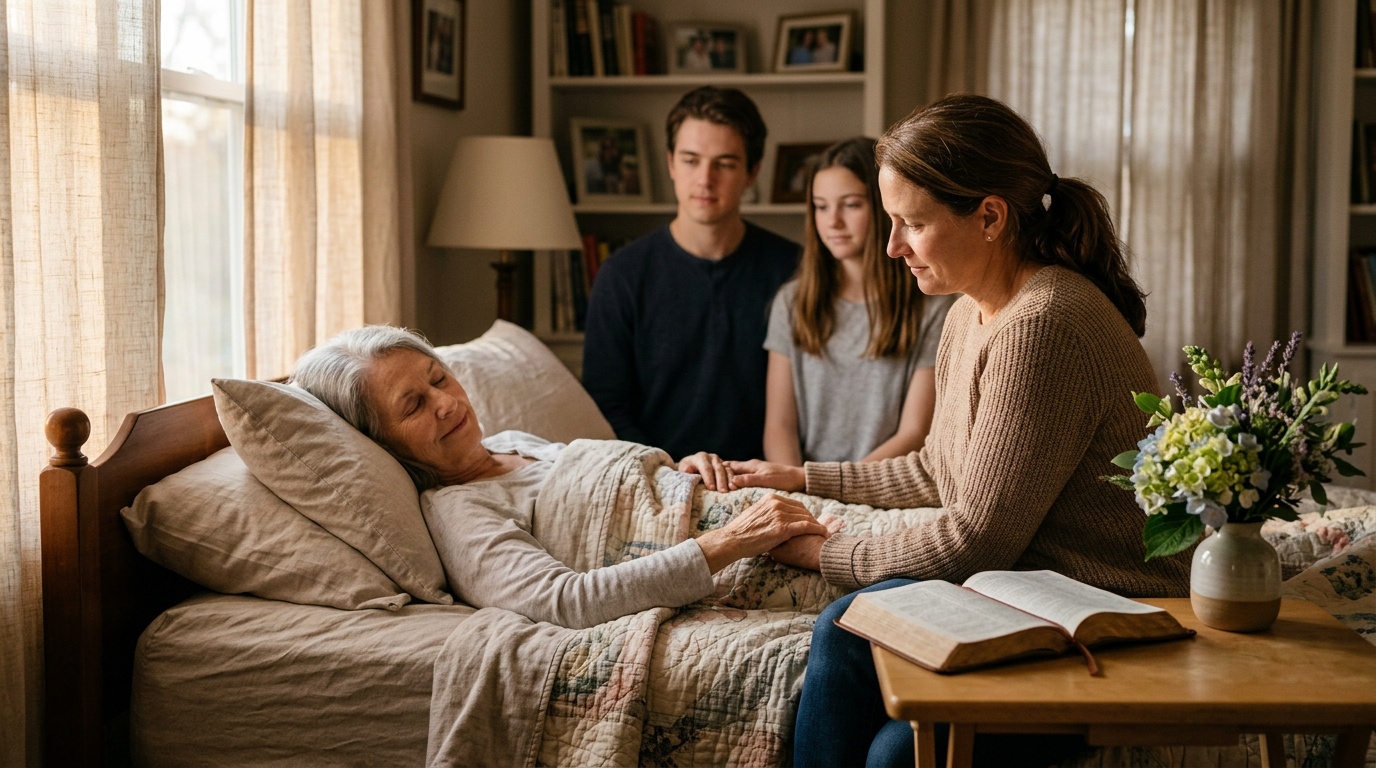
Recognizing the spiritual signs that death is near allows us to provide more holistic and meaningful care. It shifts the focus from solely managing physical symptoms to honoring the entire person—body, mind, and spirit. Validating a loved one’s visions, listening to their reflections, and simply being a calm presence are profound gifts.
Navigating this sacred time can feel overwhelming, but you don’t have to do it alone. The journey is one of both letting go and holding on to what matters most: love, connection, and dignity. If you are supporting a loved one or have questions about the spiritual side of the dying process, our compassionate team is here to help. For guidance and a deeper understanding of the journey, call us at (614) 910-2662 or download our Hospice Care Guide for more information.
Every moment matters, and ensuring those final moments are filled with peace, understanding, and love is the heart of our mission.
Key Takeaways
- Spiritual signs of dying, such as visions of deceased loved ones or a sense of peace, are a common and natural part of the end-of-life journey.
- These experiences are often deeply comforting for the individual and can be seen as the spirit preparing for its transition.
- Distinguishing between spiritual intuition and anxiety is important; spiritual readiness often brings a sense of calm, while anxiety brings fear.
Questions about hospice for someone you love?
Our team is here 24 hours a day. Talk it through with us, with no obligation.