
Hospice Careers
Grace in Every Visit: Why LPNs Thrive in Hospice Nursing
Let's start with a conversation.
Free, no obligation. In person or over the phone.
Refer a patient.
Same-day admissions when the patient and family are ready.
Intake email
intake@cairohospice.comFor a time-sensitive referral, please call. The intake line is open 24/7.
In the quiet, sacred space of end-of-life care, every moment of comfort and connection is a gift. While the hospice team is made up of many dedicated professionals, the Licensed Practical Nurse (LPN) often becomes the steady, reassuring presence at the heart of daily care. With a unique focus on hands-on support and relationship building, LPNs are not just essential to hospice—they are uniquely positioned to thrive in it.
The role of an LPN in hospice is a calling that blends profound clinical skill with deep compassion. With many care providers working hard to fill nursing roles, the contribution of LPNs matters more than ever. This article explores the vital duties, unique rewards, and career opportunities for LPNs who choose this meaningful path.
The LPN’s Unique Role on the Hospice Team
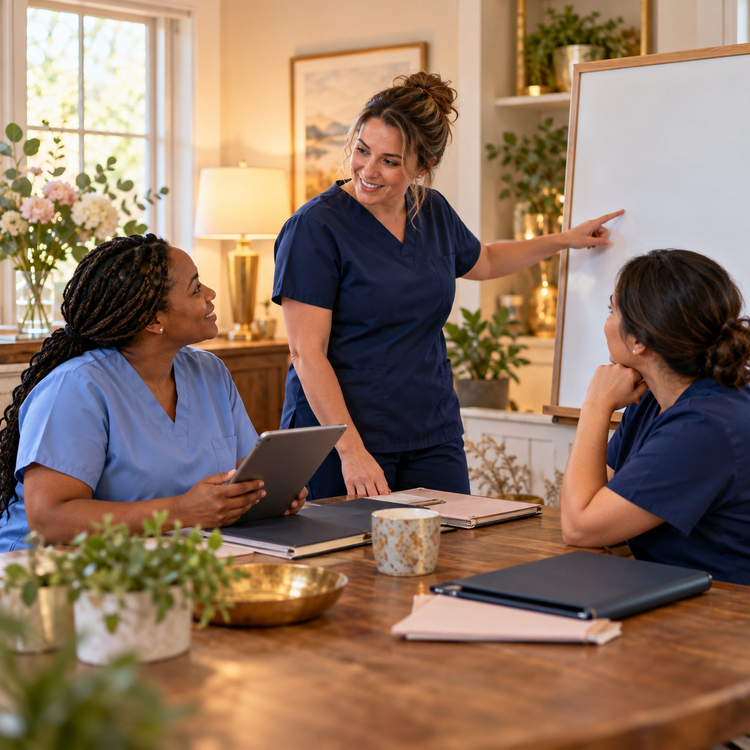
In hospice, care is delivered by an interdisciplinary team, and the LPN’s role is both distinct and complementary to that of the Registered Nurse (RN). While an RN conducts the initial and comprehensive assessments and establishes the patient’s plan of care, the LPN is the expert in its implementation. Operating under the supervision of an RN, the LPN brings the care plan to life during each visit.
This teamwork allows each nurse to work at the top of their license. The LPN’s daily responsibilities are centered on direct, hands-on patient care, including:
- Administering medications and providing pain and symptom management.
- Performing skilled treatments like wound care.
- Monitoring vital signs and gathering data that informs care plan adjustments.
- Assisting with personal care that promotes comfort and dignity.
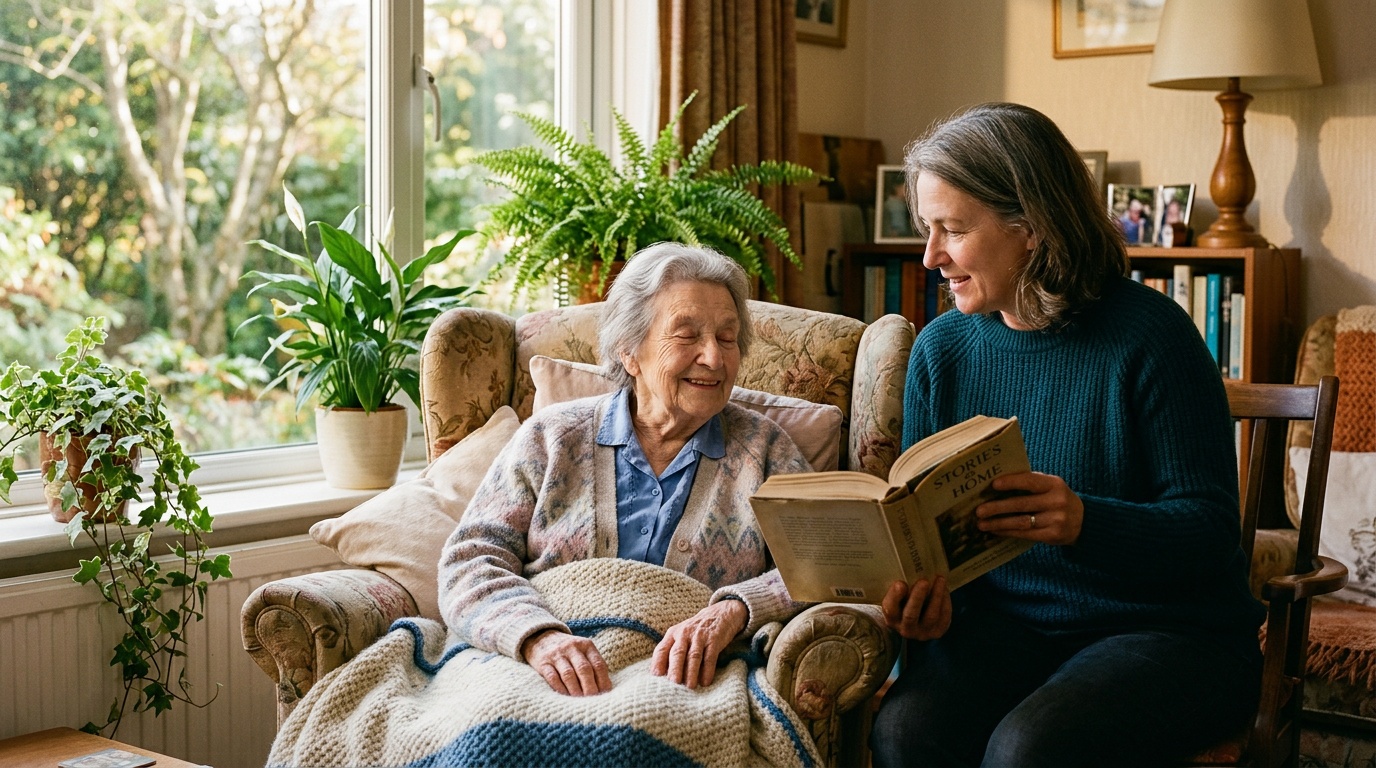
This frequent, personal interaction is where LPNs build deep, trusting relationships. They become the familiar face a patient looks forward to and the trusted clinician a family relies on for updates and education. This focus on relational care is a cornerstone of the hospice philosophy and a primary reason LPNs find the work so fulfilling.
Why Your Skills are Perfectly Suited for Hospice
Many LPNs who transition from hectic hospital floors or task-oriented long-term care settings find that hospice nursing allows them to use the full scope of their training in a more autonomous and meaningful way. The environment values the LPN’s keen observational skills and ability to connect with people on a human level.
The demand for these skills in post-acute settings like hospice is consistently high. Your expertise in managing chronic conditions, providing comfort, and educating families is precisely what hospice patients need. Instead of focusing solely on curative treatment, your goal is to maximize quality of life, ensure comfort, and honor the patient’s wishes—a mission that provides immense professional and personal satisfaction. The work is emotionally demanding. Still, many nurses say the slower pace and the time to really know patients make hospice feel more sustainable to them than the settings they came from.
A Day in the Life: Autonomy and Connection
A typical day for a hospice LPN involves traveling to see a caseload of patients in their own homes, assisted living facilities, or nursing homes. This brings a level of independence and flexibility not always found in other nursing roles. Each visit is an opportunity to assess, treat, and, most importantly, listen.
You are the eyes and ears of the care team, reporting subtle changes in a patient’s condition to the RN case manager. You are the gentle hand that provides a bed bath, the calm voice that explains a new medication to an anxious spouse, and the compassionate presence that sits with a patient in silence. It is in these unhurried moments that the true grace of hospice nursing is found.
Grow Your Career with Cairo Hospice
Choosing a career in hospice nursing with Cairo is not just a job; it’s a commitment to compassionate care and a path for professional growth. We value our LPNs and the steady care they bring to patients and families across Ohio, Indiana and Pennsylvania.
Hospice nursing can also open doors to growth. Many LPNs go on to:
- Professional Development: Pursue hospice and palliative care certification or an RN bridge program.
- New Responsibilities: Take on mentoring or leadership roles as their experience grows.
- Varied Settings: Care for patients at home, in nursing facilities and in assisted living.
Ask our team about current openings, pay, benefits and scheduling. You can see open roles on our careers page.
If you are an LPN looking for a career that allows you to build meaningful relationships and make a profound impact, hospice nursing may be your calling. If you are ready to explore a role defined by purpose and compassion, the team at Cairo Hospice is here to answer your questions. Contact us at +1 (614) 910-2662 to learn more about our opportunities in a field where every moment matters.
You can also download our Complete Guide to Hospice Care to get a deeper understanding of the vital services our nursing teams provide to patients and their families.
Key Takeaways
- The LPN role in hospice is focused on direct, hands-on care, which allows for deep relationship-building with patients and families.
- Hospice LPNs work in a complementary partnership with RNs, implementing care plans through skilled tasks like medication administration, wound care, and symptom management.
- A career as a hospice LPN offers significant autonomy, flexibility, and the reward of using your full clinical and compassionate skill set to improve a patient’s quality of life.
Questions about hospice for someone you love?
Our team is here 24 hours a day. Talk it through with us, with no obligation.