

Dementia
Compassionate Care: When to Use Hospice for Dementia
Let's start with a conversation.
Free, no obligation. In person or over the phone.
Refer a patient.
Same-day admissions when the patient and family are ready.
Intake email
intake@cairohospice.comFor a time-sensitive referral, please call. The intake line is open 24/7.
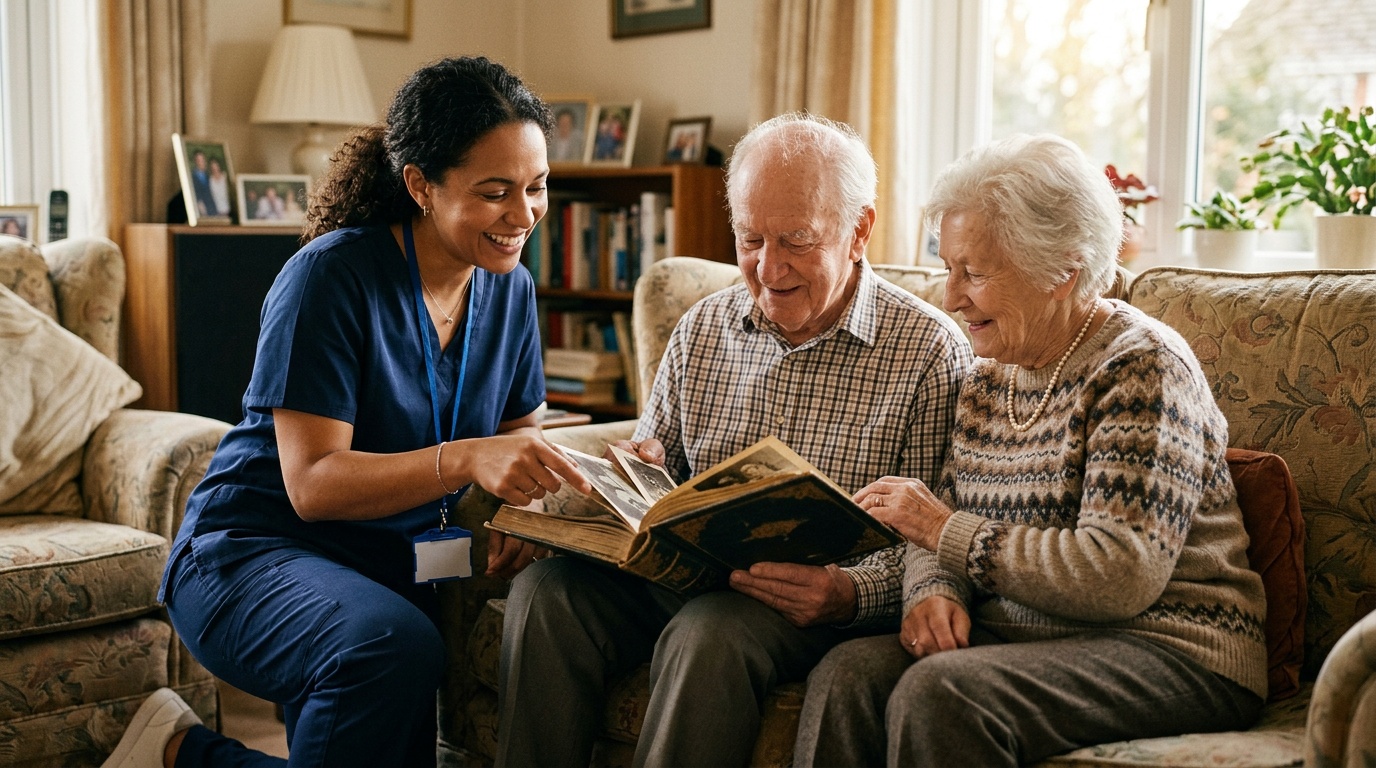
Watching a loved one’s journey with dementia is one of the most challenging experiences a family can face. As the disease progresses, care needs become more complex, shifting from managing daily life to ensuring profound comfort and dignity. The decision to consider hospice is deeply personal and often comes with many questions, but it is a choice rooted in love and the desire for peace.
Hospice is not about giving up; it is about shifting focus. When curative treatments are no longer the goal, hospice provides a specialized layer of support that centers on managing symptoms, honoring the individual, and supporting the entire family. This compassionate approach ensures that every moment matters, focusing on quality of life when it is needed most.
This article will offer gentle guidance on understanding when it might be time to consider hospice for a person with dementia, what hospice care involves, and how it supports both the patient and their caregivers.
Understanding the Shift to Comfort and Dignity
The core philosophy of hospice is to provide comfort, dignity, and compassionate support during the final chapter of life. For individuals with advanced dementia, this means creating a calm and peaceful environment by managing physical and emotional distress. Rather than hospital visits and aggressive treatments, the focus becomes on easing pain, reducing anxiety, and ensuring the person feels safe and cherished.
A dedicated care team, including nurses, aides, social workers, and spiritual counselors, works with the family to create a personalized care plan. This plan addresses everything from physical pain, which can be common as mobility decreases, to the emotional stress a patient may feel during moments of clarity. The goal is to maximize comfort and bring a sense of peace to a confusing time, truly bringing calm to confusion.
Key Signs It May Be Time for Hospice
Determining the right time for hospice is a decision made with a physician, based on the patient’s specific condition. While every person’s journey is unique, healthcare professionals often look for clear indicators of decline. According to Medicare guidelines, hospice is generally appropriate when a doctor certifies a life expectancy of six months or less if the disease runs its natural course.
For dementia, this often corresponds with the advanced stages of the disease. Some common signs include:
- Severe Functional Decline: Many professionals use the Functional Assessment Staging Tool (FAST). Medicare guidelines look for Stage 7 or beyond: the person can’t walk, dress or bathe without help, is incontinent, and speaks only a few words, and has had a serious complication such as aspiration pneumonia or major weight loss in the past year.
- Limited Communication: Speech may be limited to just a few words, or the ability to communicate meaningfully may be lost. The focus then shifts to communication beyond words, through touch and presence.
- Difficulty Eating and Swallowing: Significant weight loss, trouble swallowing (dysphagia), and a reduced appetite are common in late-stage dementia.
- Recurrent Medical Complications: An increase in infections, such as pneumonia or urinary tract infections, skin breakdown, or fevers may indicate the body is weakening.
How Hospice Supports the Entire Family
One of the most profound benefits of hospice care is that it extends beyond the patient to embrace the entire family. Caring for someone with advanced dementia can be emotionally and physically exhausting. Hospice provides an essential circle of support to lighten this burden.
This support includes medical equipment and supplies delivered to the home, around-the-clock access to a nurse for urgent questions, and help with personal care like bathing and dressing. Crucially, hospice also offers emotional and spiritual counseling to help families navigate the complex feelings of grief and loss. Furthermore, programs like respite care allow caregivers to take a much-needed break, knowing their loved one is in safe hands. This time to rest is vital, because as many families know, caregivers need breaks, too.
Making decisions about end-of-life care is never easy, but you do not have to do it alone. The compassionate team at Cairo Hospice is here to provide clarity and support, helping you navigate this tender time with confidence and peace. For a gentle conversation about your family’s needs or to learn how hospice can help a person with dementia, please call us at (614) 910-2662. You can also explore our free Hospice Care Guide for more detailed information.
Choosing hospice is an act of profound love—a decision to focus on comfort, connection, and the gentle celebration of a life well-lived.
Key Takeaways
- Hospice for dementia focuses on comfort, dignity, and quality of life when the disease is in its advanced stages.
- Eligibility is typically determined by a physician when there is severe decline (FAST Stage 7 or beyond) plus a serious complication, and a life expectancy of six months or less.
- Hospice provides comprehensive support for the entire family, including medical care, emotional counseling, and essential respite for caregivers.
Questions about hospice for someone you love?
Our team is here 24 hours a day. Talk it through with us, with no obligation.