
For Families
Caring for the Caregiver: How Hospice Supports the Whole Family
Let's start with a conversation.
Free, no obligation. In person or over the phone.
Refer a patient.
Same-day admissions when the patient and family are ready.
Intake email
intake@cairohospice.comFor a time-sensitive referral, please call. The intake line is open 24/7.
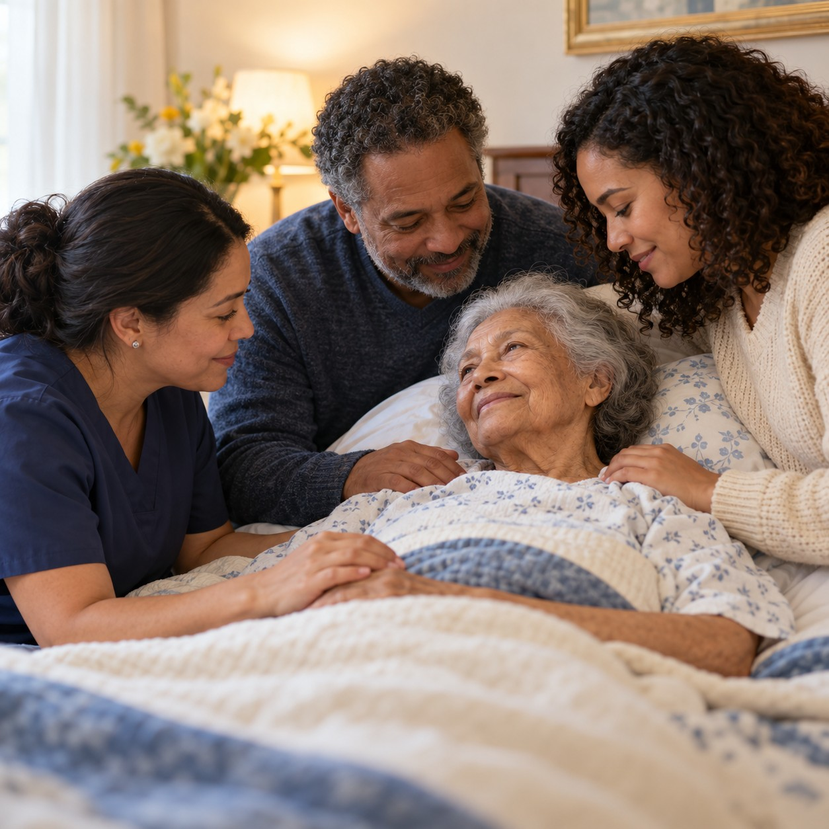
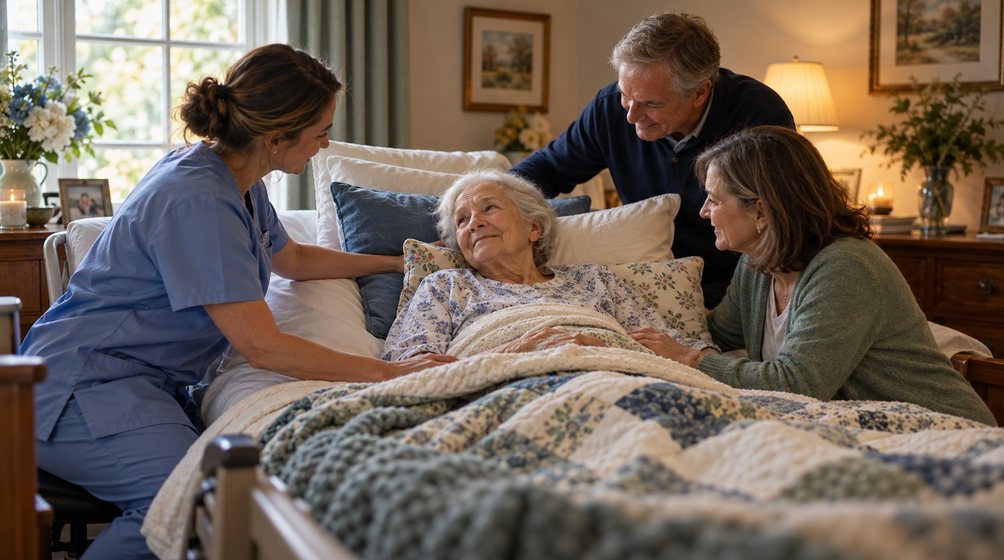
When a loved one faces a life-limiting illness, the focus naturally shifts to their comfort and well-being. However, behind every patient is a network of family caregivers, often shouldering immense responsibility. Hospice care understands that true holistic support extends beyond the patient to encompass the entire family unit, recognizing that the journey is shared and the need for compassion is universal.
Hospice isn’t just about providing medical care; it’s about offering a comforting presence, practical assistance, and emotional reassurance to everyone involved. This article explores the vital ways hospice supports family caregivers, helping them navigate challenges, find moments of rest, and feel empowered throughout their caregiving journey.
Navigating the Challenges of Caregiving
Caregiving, while deeply rewarding, can also be profoundly demanding. Family caregivers frequently experience high levels of physical, emotional, and even financial strain. The responsibility can lead to fatigue, feelings of guilt, and uncertainty about how to best help their loved one. Caregivers can be at higher risk of depression, anxiety, and poor sleep, which is why good support matters so much.
Many caregivers find themselves juggling their own lives, jobs, and families with the constant demands of care. They often prioritize the patients’ needs above their own, leading to burnout. Recognizing these common struggles is the first step toward building a support system that addresses the whole person, not just the role they play.
Hospice: A Beacon of Emotional and Practical Support
Hospice care can ease caregiver burden and support the whole family through a team approach. This holistic support includes skilled nursing, social work, spiritual counseling, and volunteer assistance, all tailored to meet the unique needs of both the patient and their family.
A crucial element of this support is respite care, which offers temporary relief to primary caregivers. This invaluable service allows caregivers to take a much-needed break, attend to personal matters, or simply rest and recharge, knowing their loved one is in capable and compassionate hands. Respite care can be an important way to prevent burnout.
Beyond practical assistance, hospice programs provide invaluable education on disease progression, symptom management, and practical caregiving skills. This knowledge empowers families to feel more competent and less anxious, transforming uncertainty into confidence. Additionally, bereavement counseling and anticipatory grief support are integral, addressing emotional needs before and after patient loss, helping families navigate the complex emotions of goodbye.
Why Self-Care Isn’t Selfish—It’s Essential
For many caregivers, the idea of self-care can feel like a luxury they can’t afford or even a source of guilt. However, stepping back and tending to one’s own physical and emotional health isn’t selfish; it’s a fundamental necessity. Just as an empty well cannot provide water, an exhausted caregiver cannot provide sustained, high-quality care.
Prioritizing self-care—whether through a few hours of respite, a walk outdoors, or simply quiet reflection—replenishes energy, improves mental clarity, and strengthens resilience. It allows caregivers to continue their loving work with renewed strength and a clearer perspective, ultimately benefiting both themselves and their loved one.
Understanding Caregiver Journeys in Our Communities
The challenges and triumphs of caregiving are deeply personal, yet universally understood across communities. In places like Ohio, Indiana and Pennsylvania, families face similar needs for support and understanding during end-of-life care. Hospice providers in these regions are dedicated to listening to caregivers’ stories, understanding their unique daily realities, and adapting services to meet local demands.
By providing consistent access to compassionate professionals, educational resources, and practical relief, hospice ensures that caregivers in our areas feel seen, supported, and empowered. Every family’s journey is unique, and local hospice teams are committed to offering personalized guidance that honors their specific circumstances and cultural values.
Hospice care truly embodies a philosophy of caring for the whole family. By addressing the practical, emotional, and spiritual needs of caregivers, it transforms a potentially overwhelming journey into one navigated with dignity, support, and profound compassion. It ensures that while patients receive comfort, their caregivers also receive the strength and solace they need to be present and engaged.
If your family is exploring hospice care options and you need support and understanding, our Cairo Hospice team is here to help. For a compassionate conversation about our services and how we can support you and your loved one, please call us at (614) 910-2662. You can also visit our website to download our Complete Guide to Hospice Care for comprehensive information on available services and support.
Key Takeaways
- Hospice care provides comprehensive support not just for the patient, but for the entire family, addressing emotional and practical needs.
- Respite care, education, and counseling are vital hospice services that reduce caregiver burden and prevent burnout.
- Caregiver self-care is essential for sustaining effective caregiving and is a crucial part of holistic hospice support.
Questions about hospice for someone you love?
Our team is here 24 hours a day. Talk it through with us, with no obligation.